At Horton St Michael’s, we recognise that there is no universal definition of ‘spirituality’, because it is a very personal experience. It differs from person to person, and often spirituality changes within people during their lifetime.
Each term we have focus ‘Big questions’ linked to the topics we are learning about. These questions help us to reflect and think deeply. For example, whilst learning about habitats in science, we consider ‘How can science help us to take care of our world?’
To support all stakeholders within school to articulate their ideas linked to spiritual development we developed sentence stems:
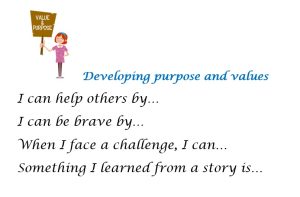
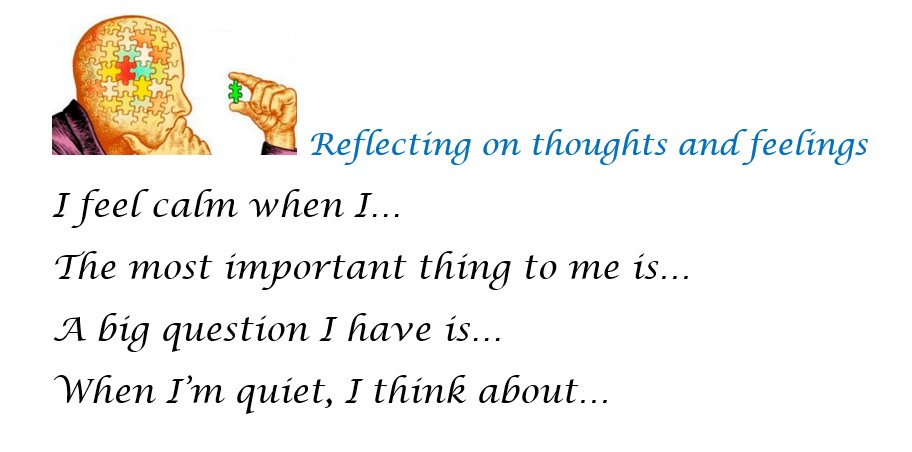
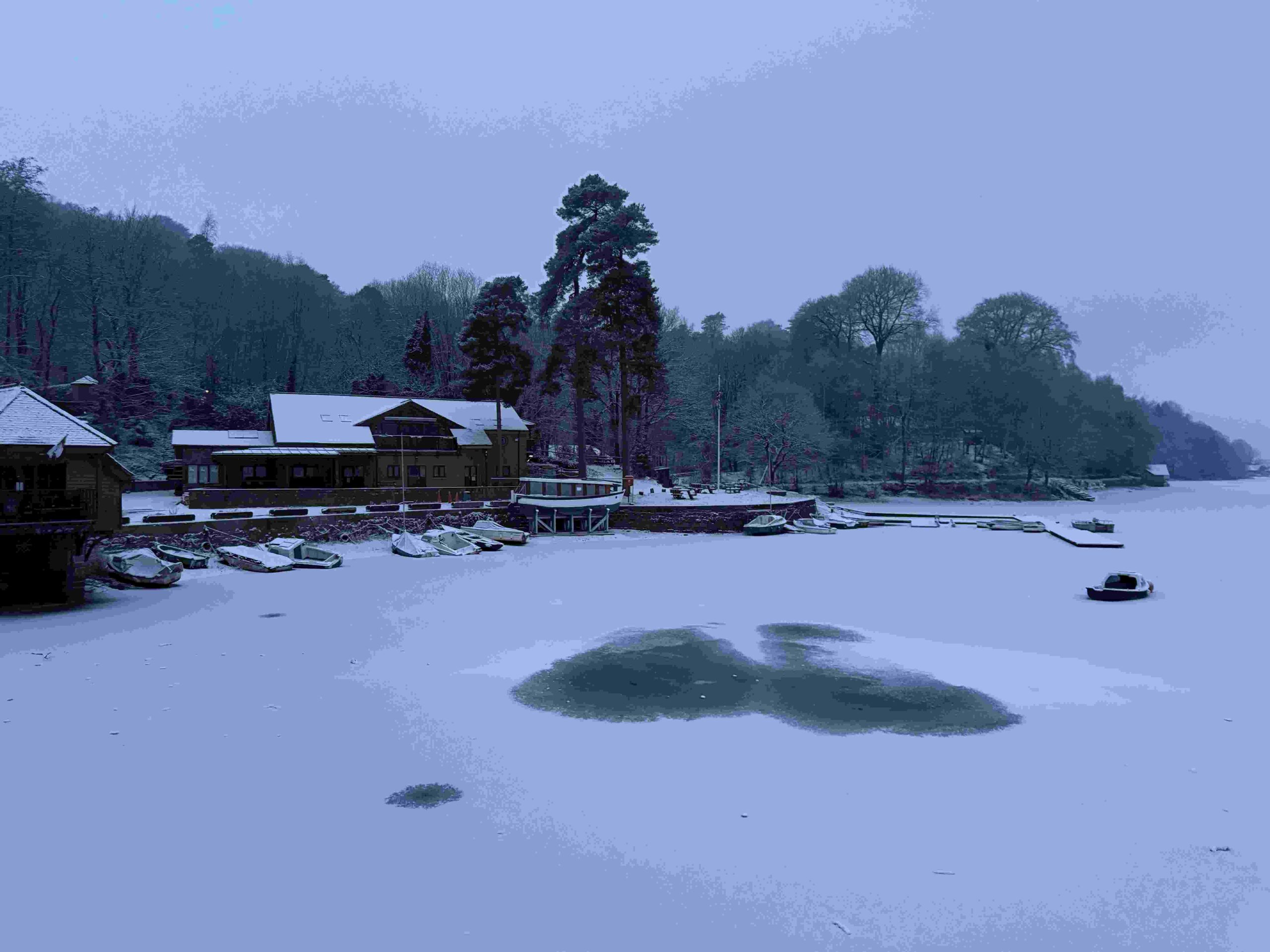
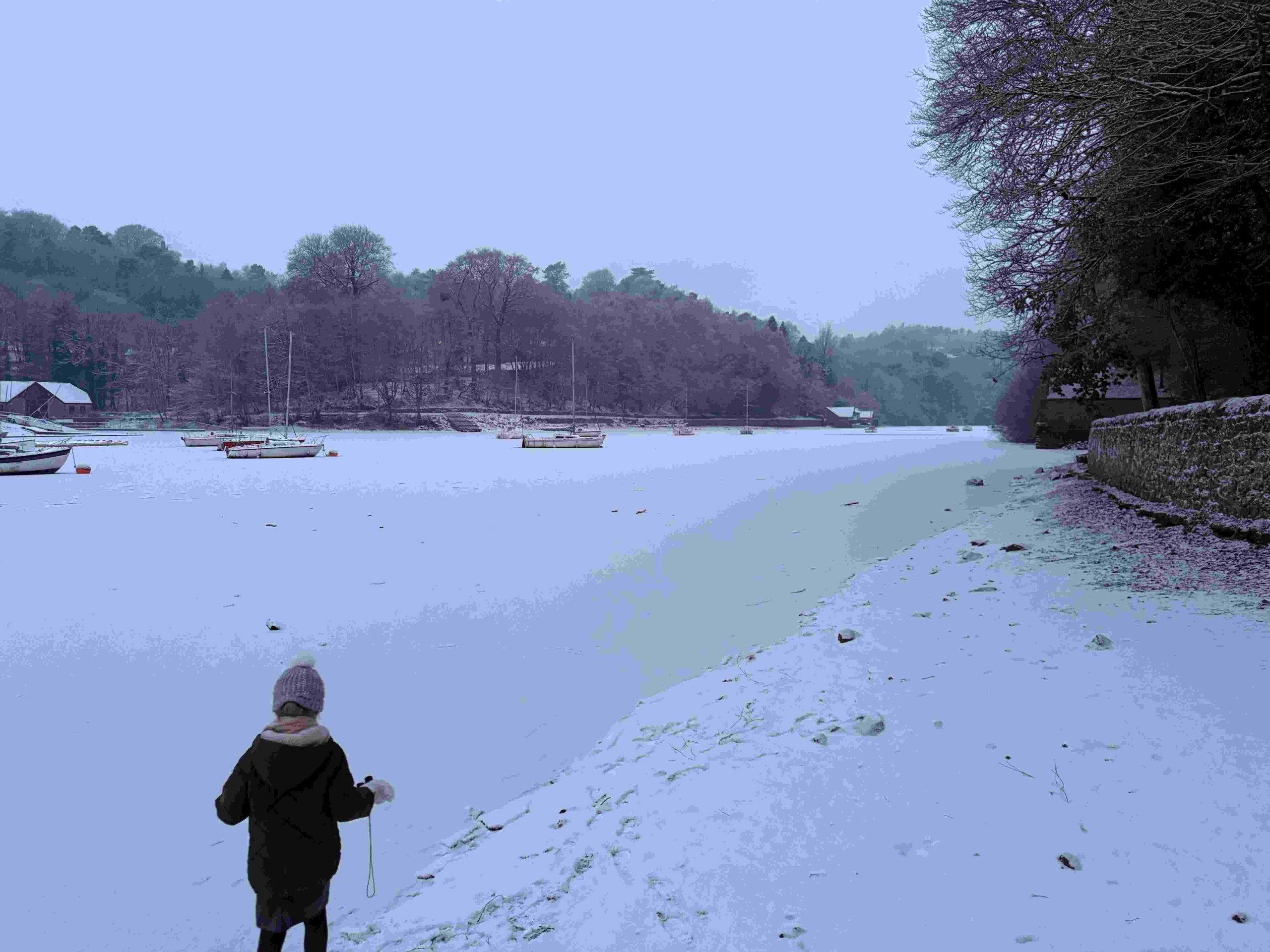
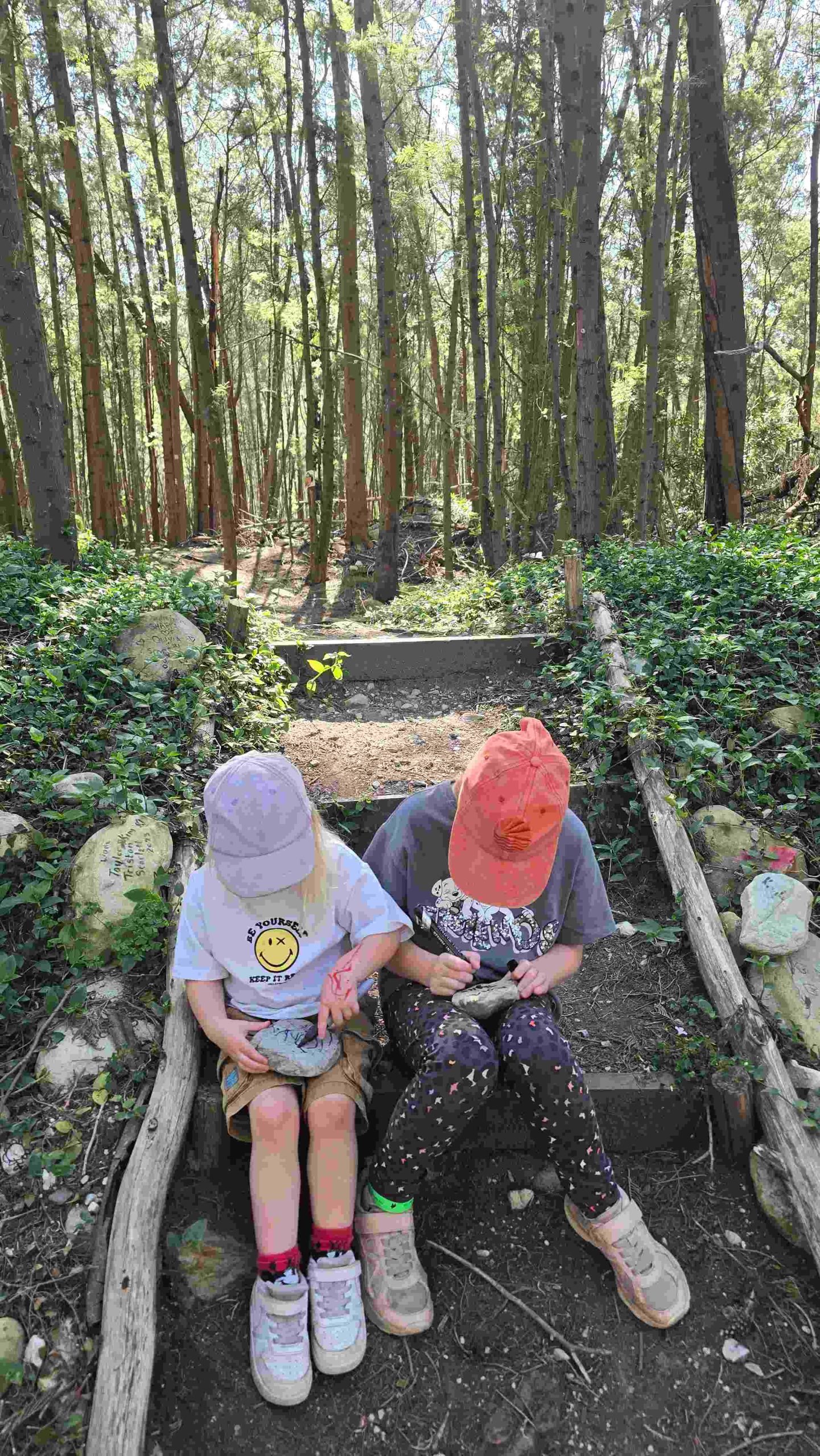
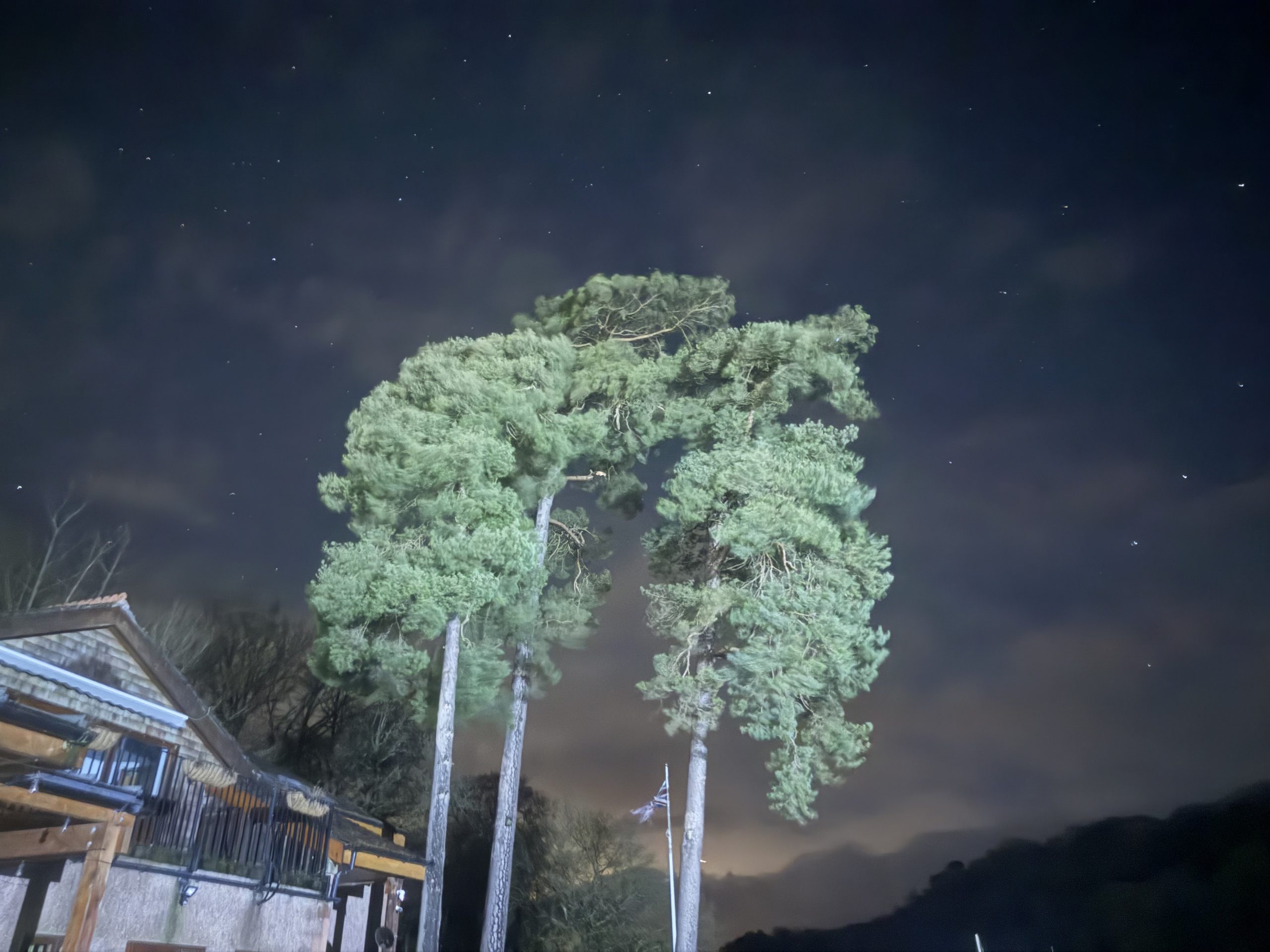
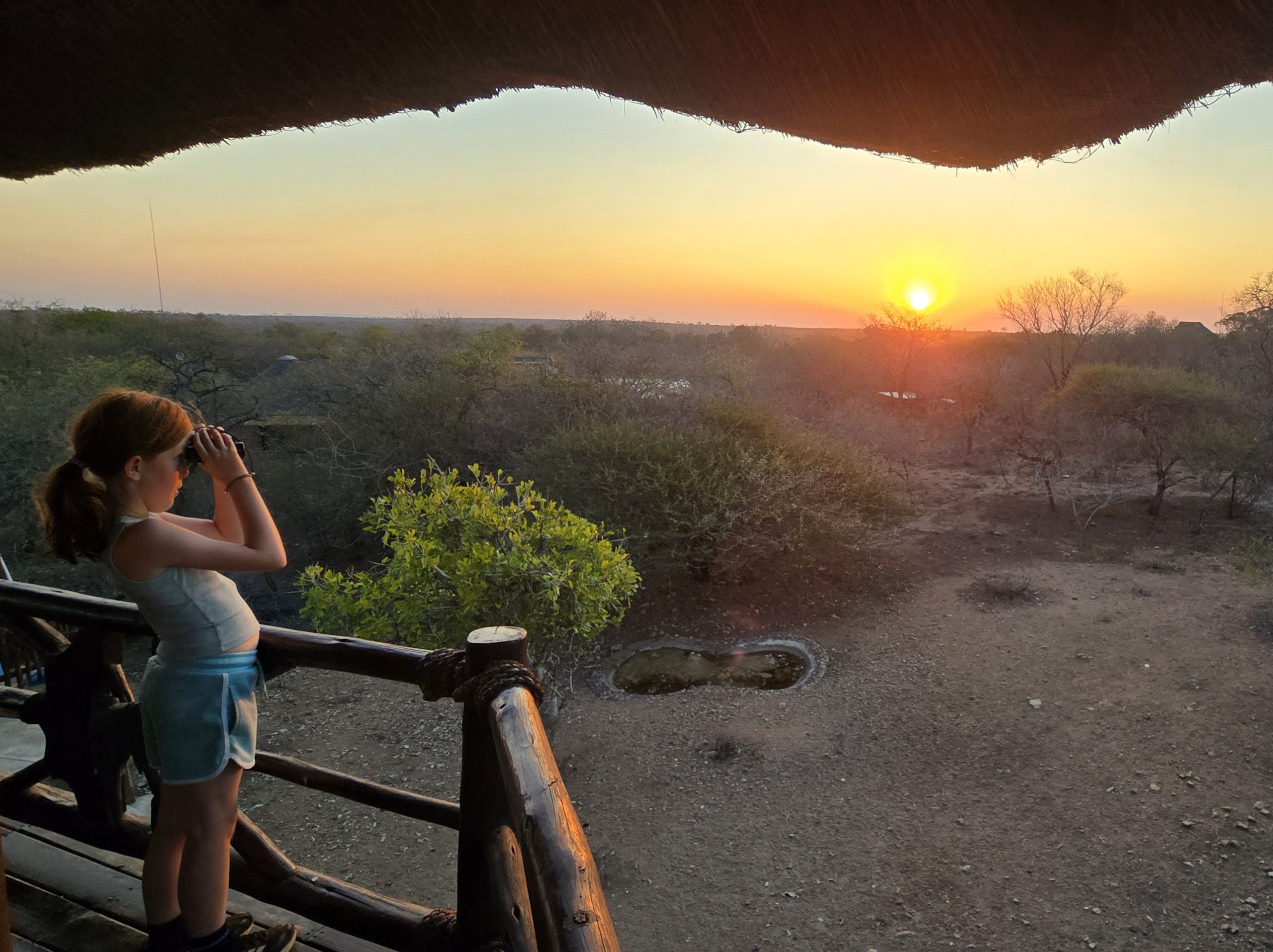
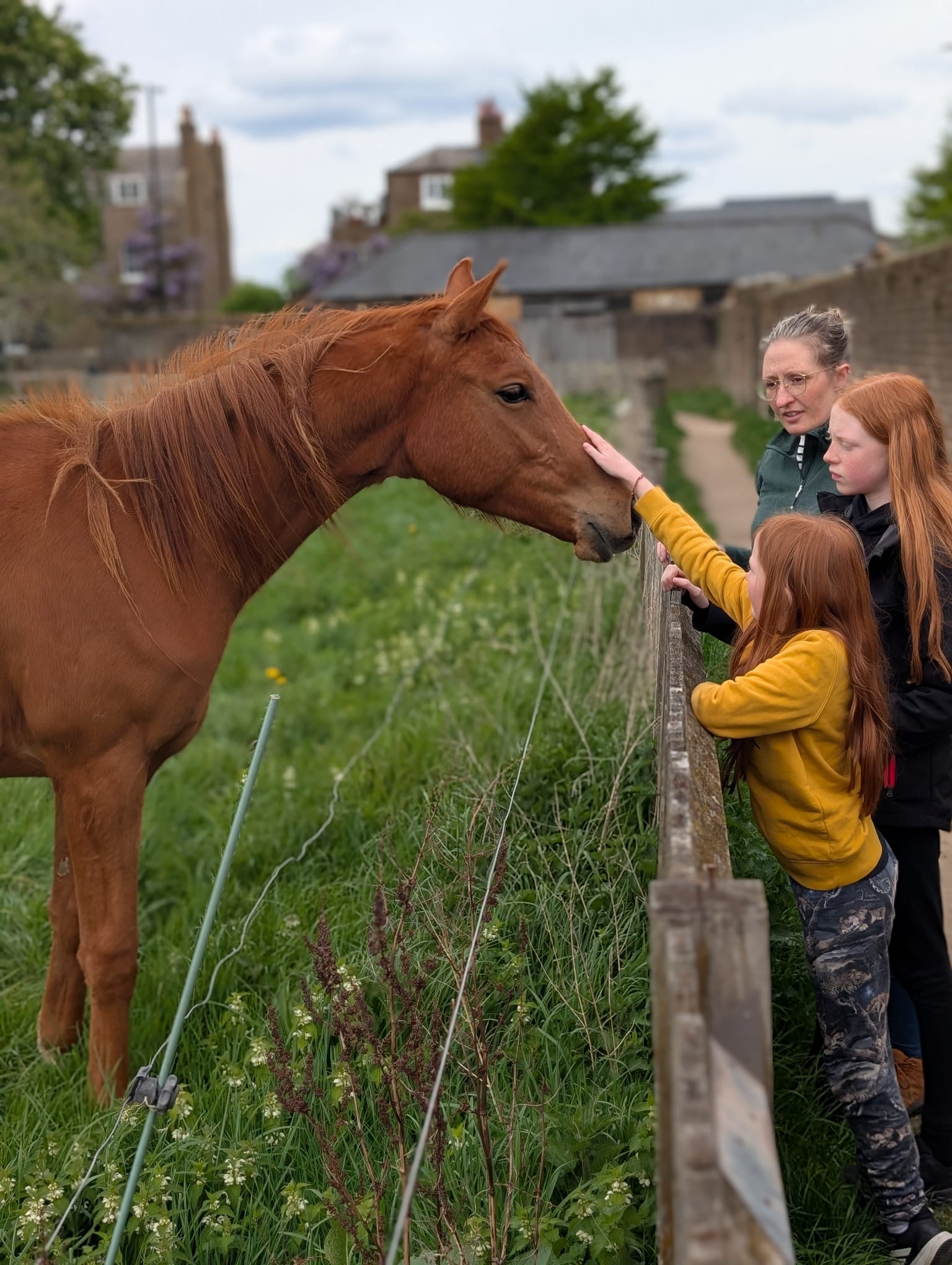
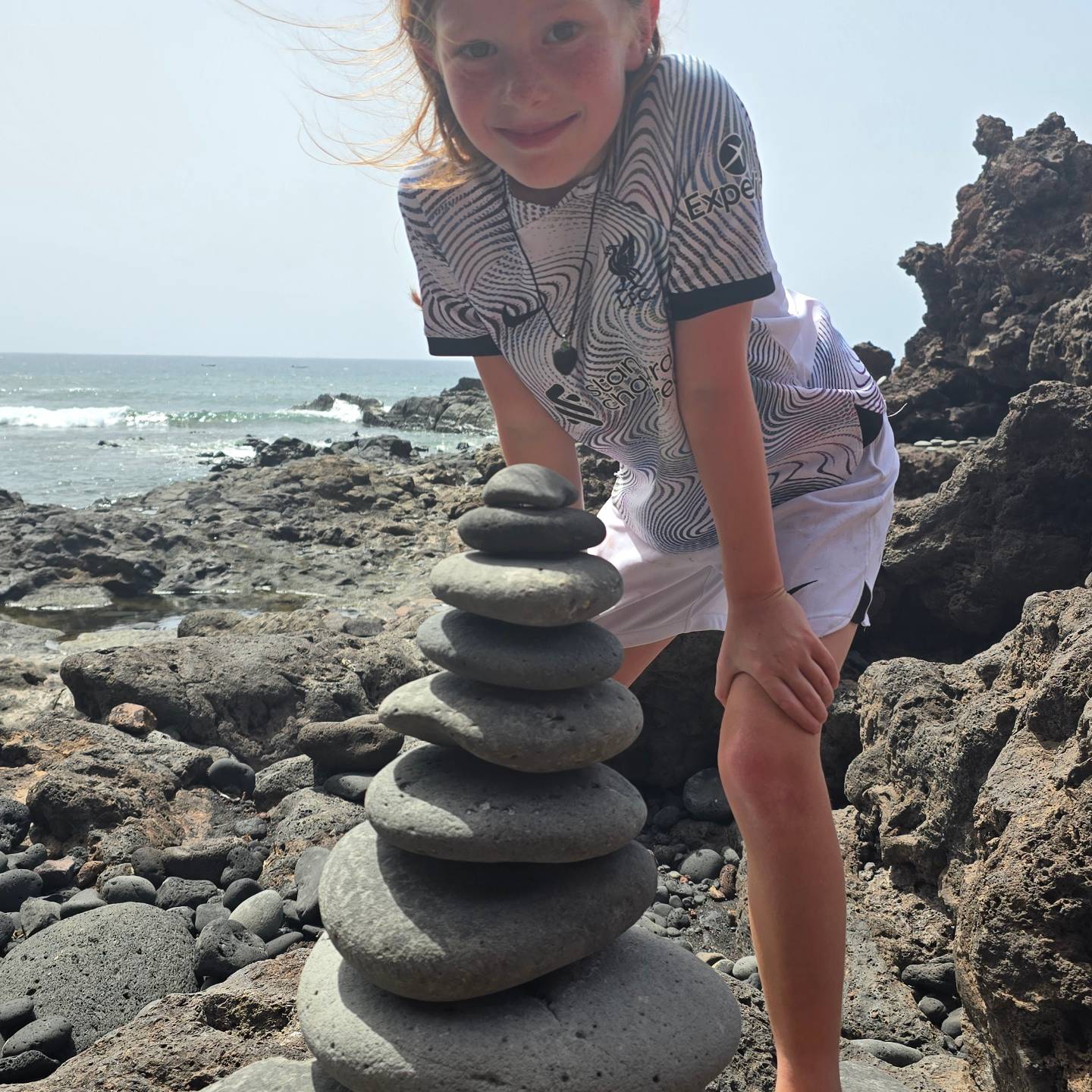
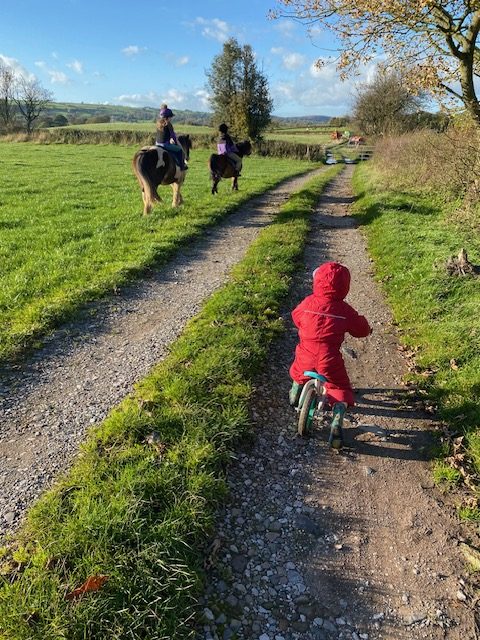
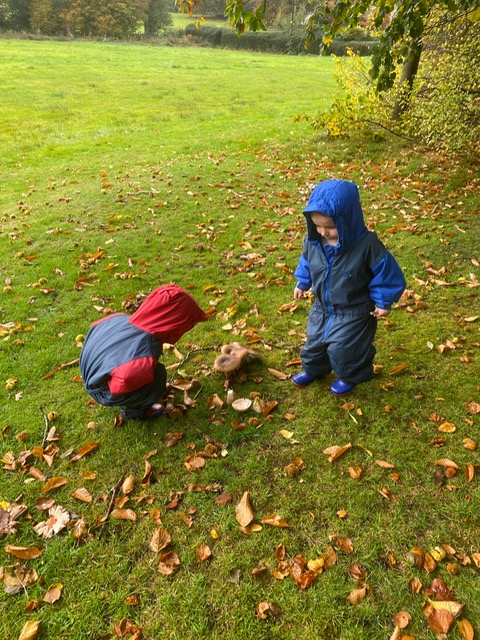
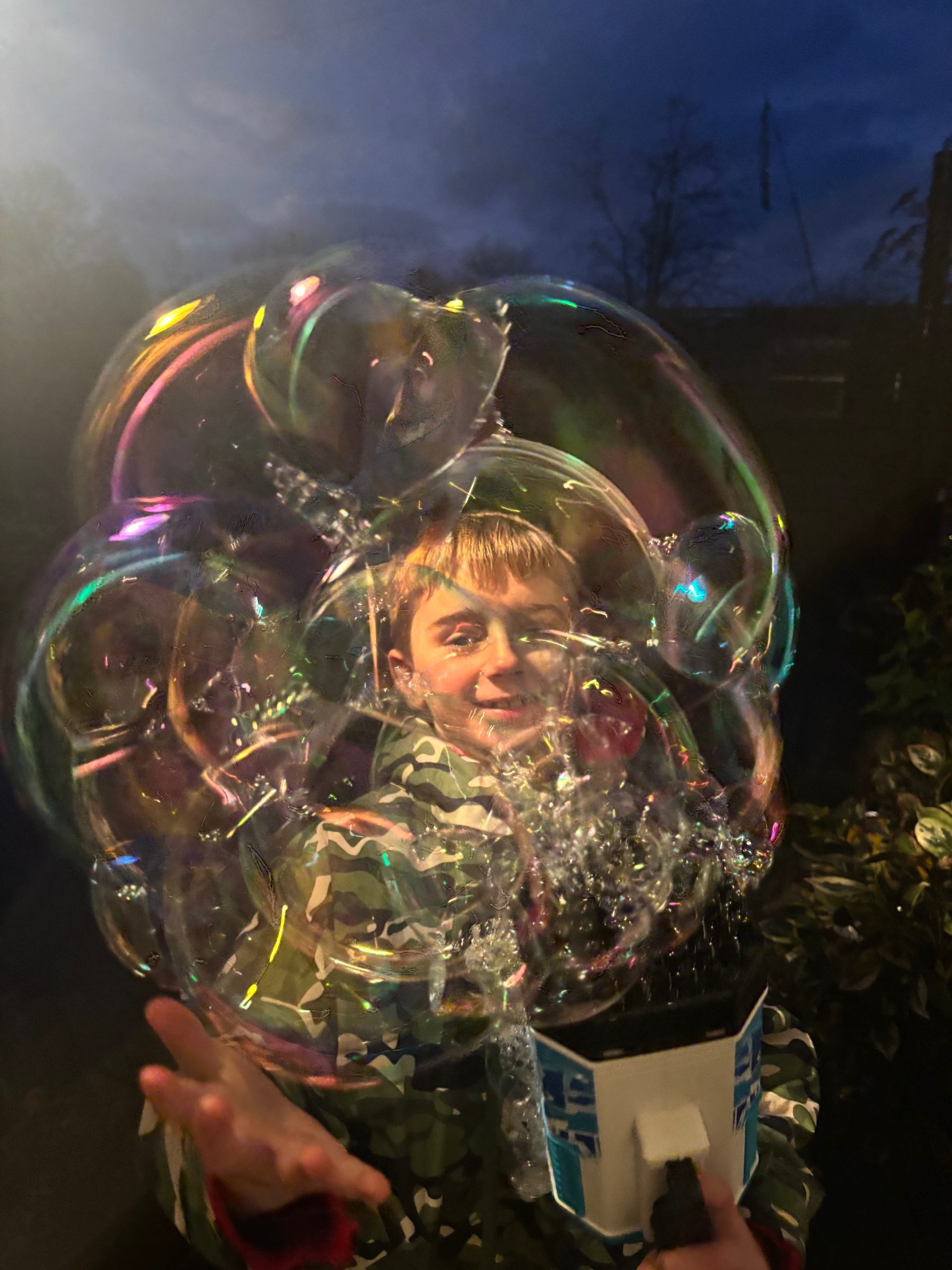
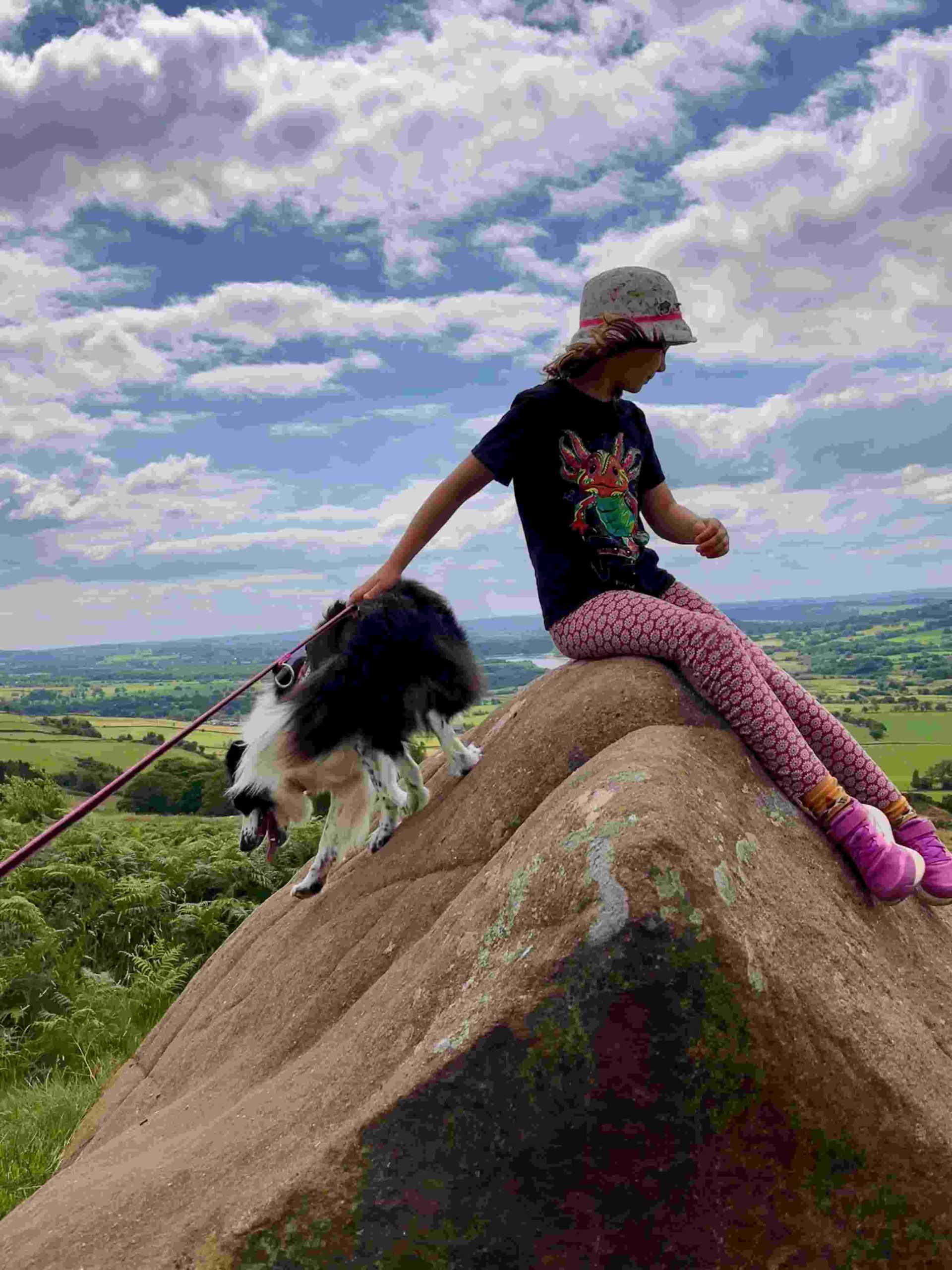
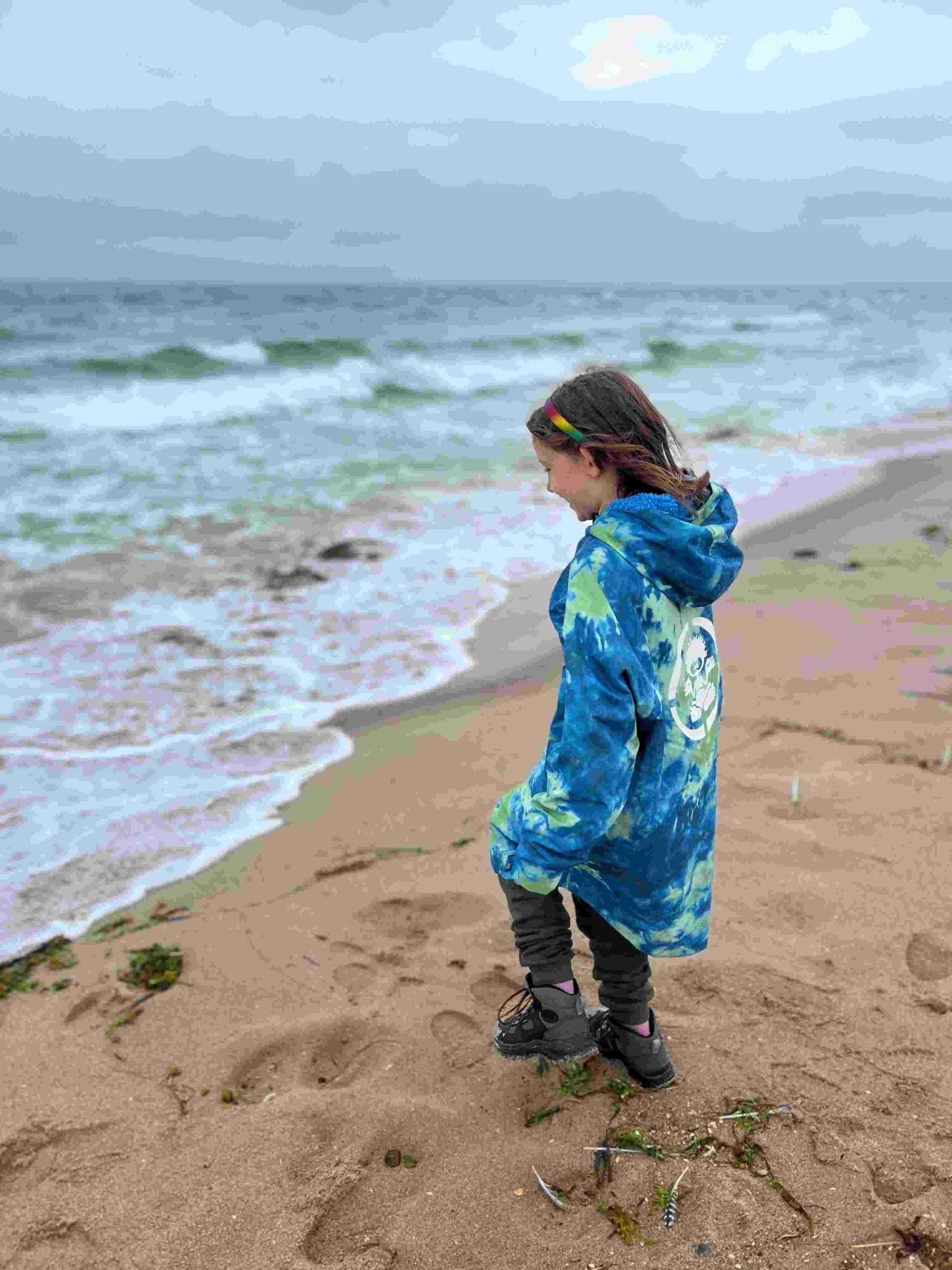
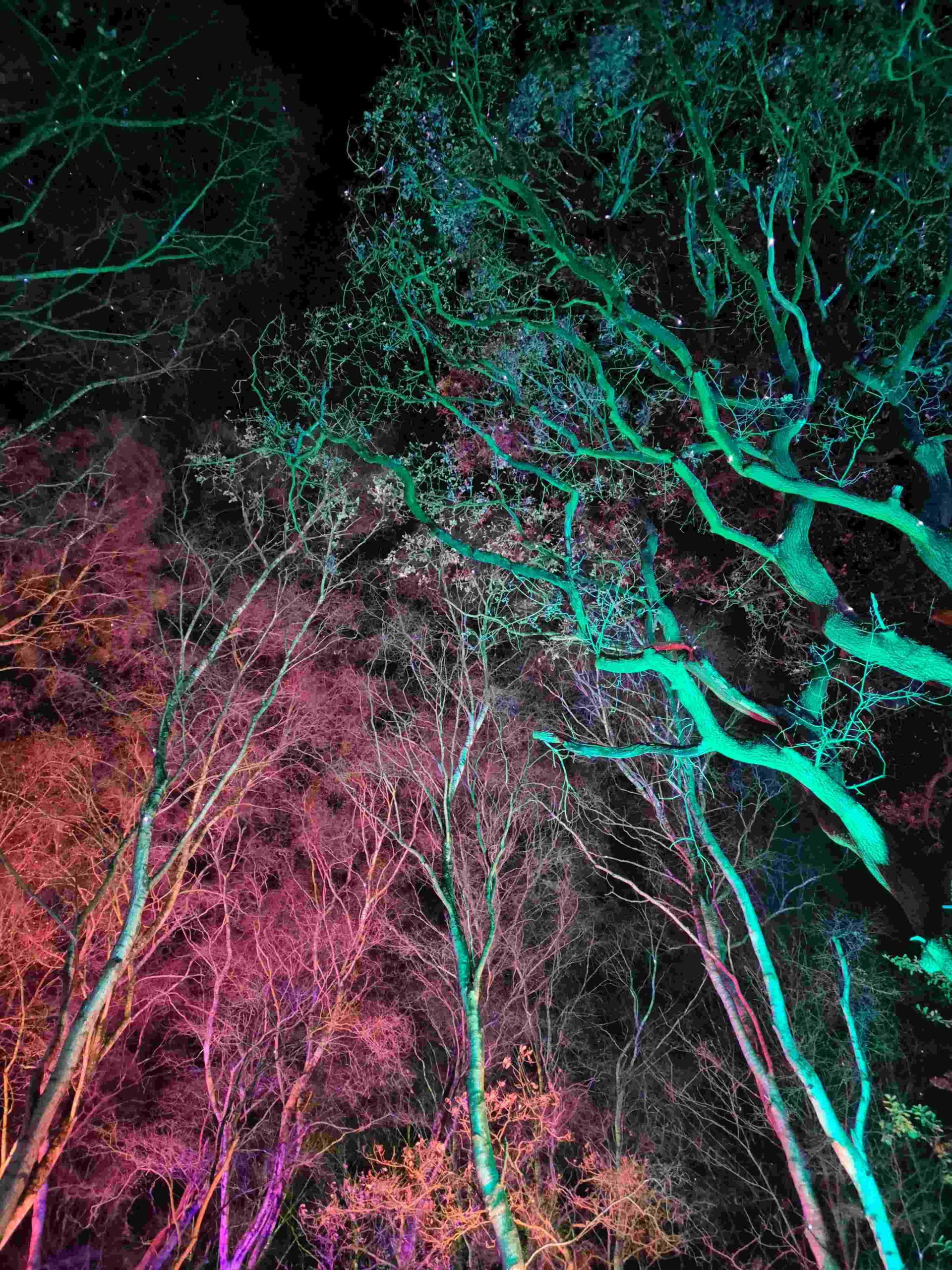
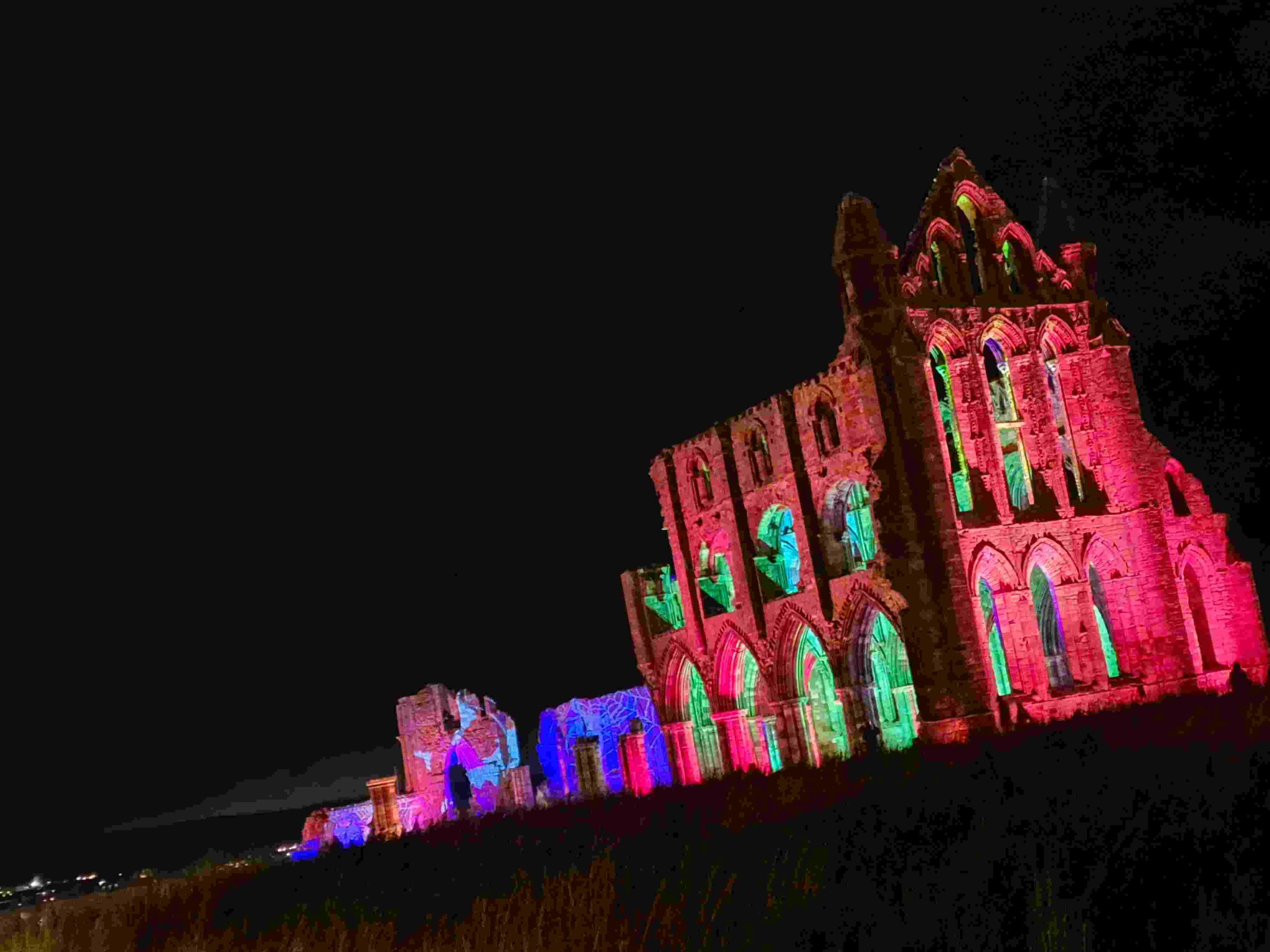
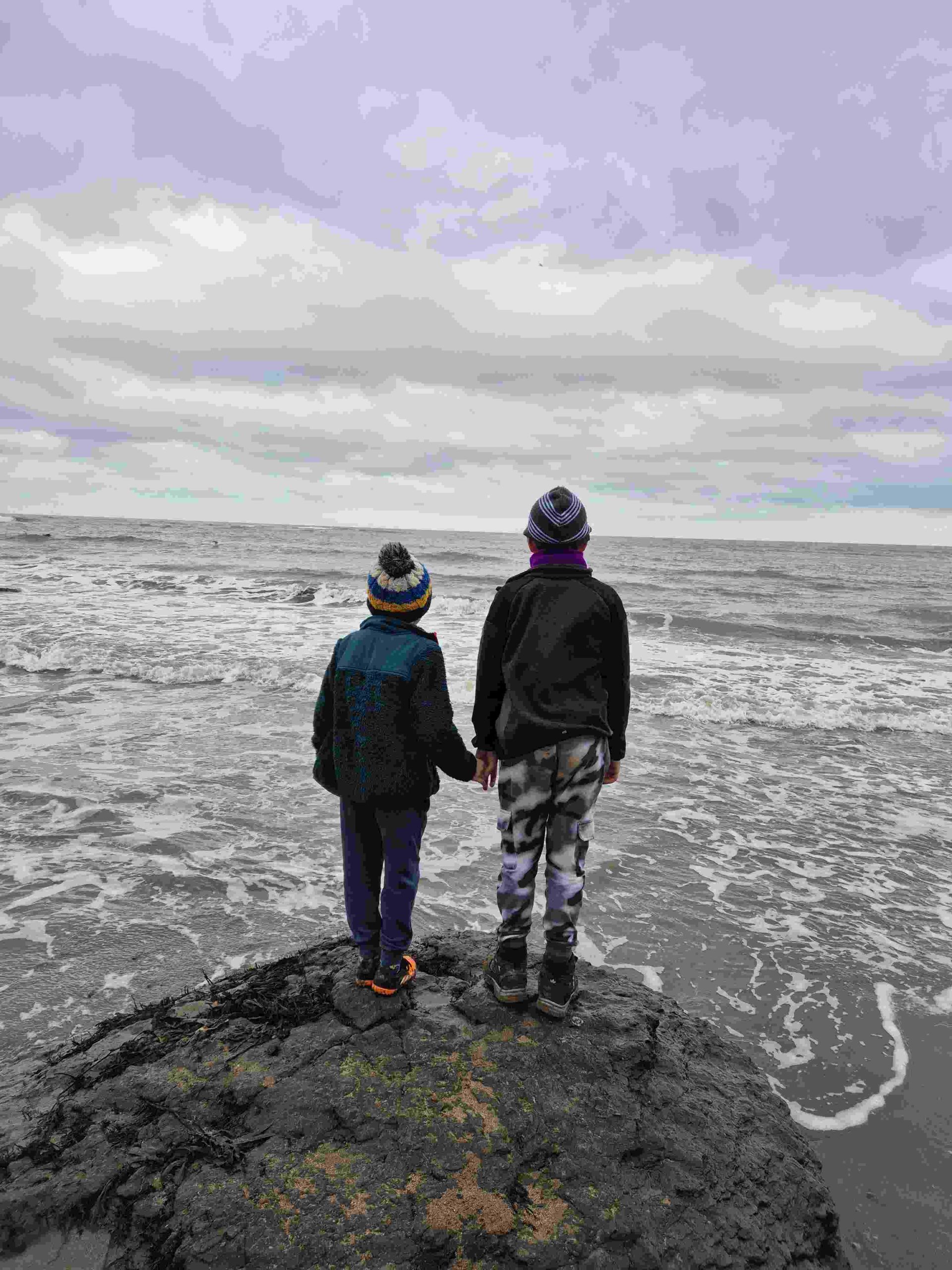
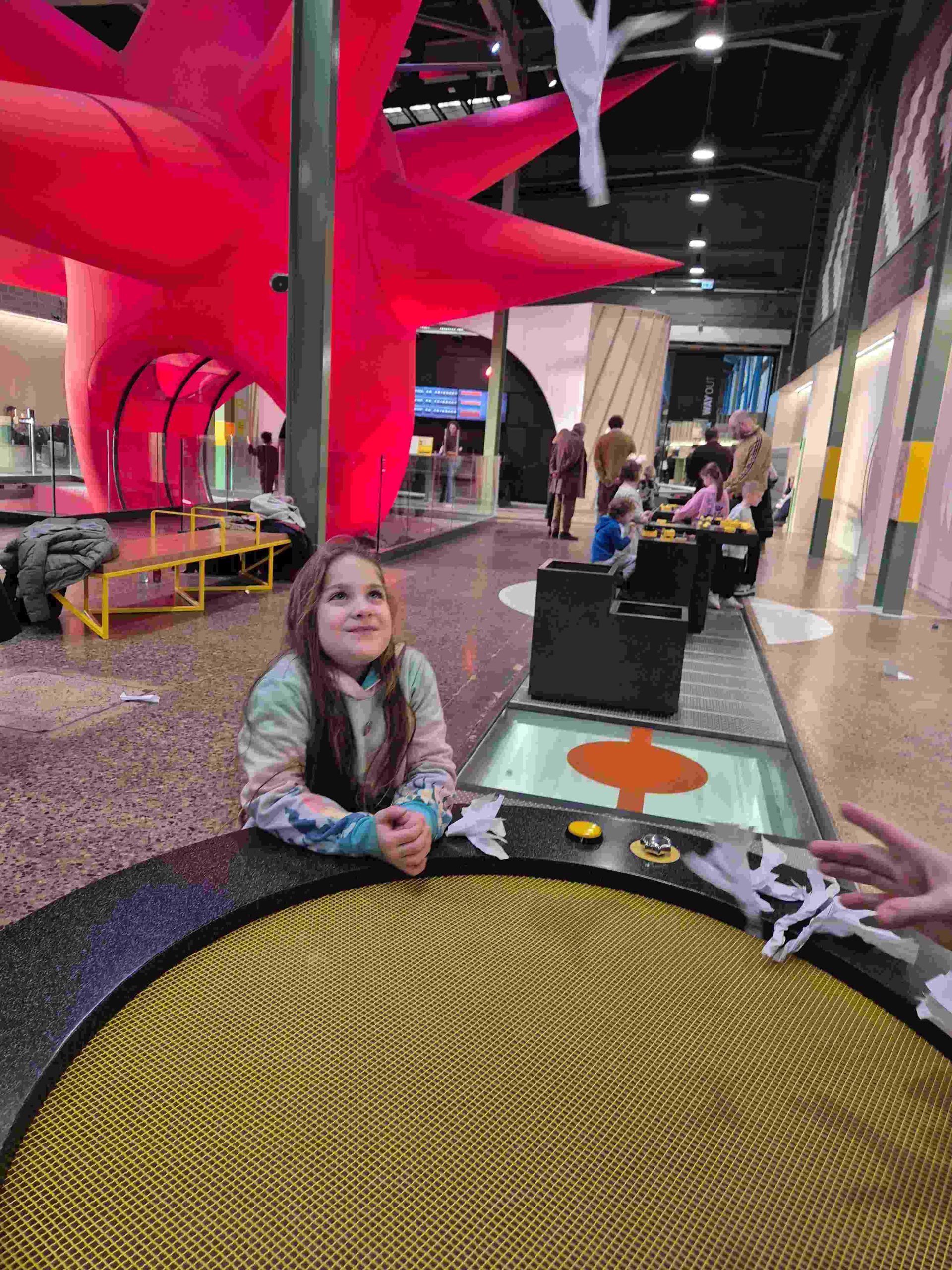
Our children experience moments of awe and wonder throughout the school day, but also in their leisure time. Families enjoy sharing moments of quiet reflection with us.
We use windows, mirrors and doors to help nurture spirituality by encouraging reflection, awareness and a sense of connection.
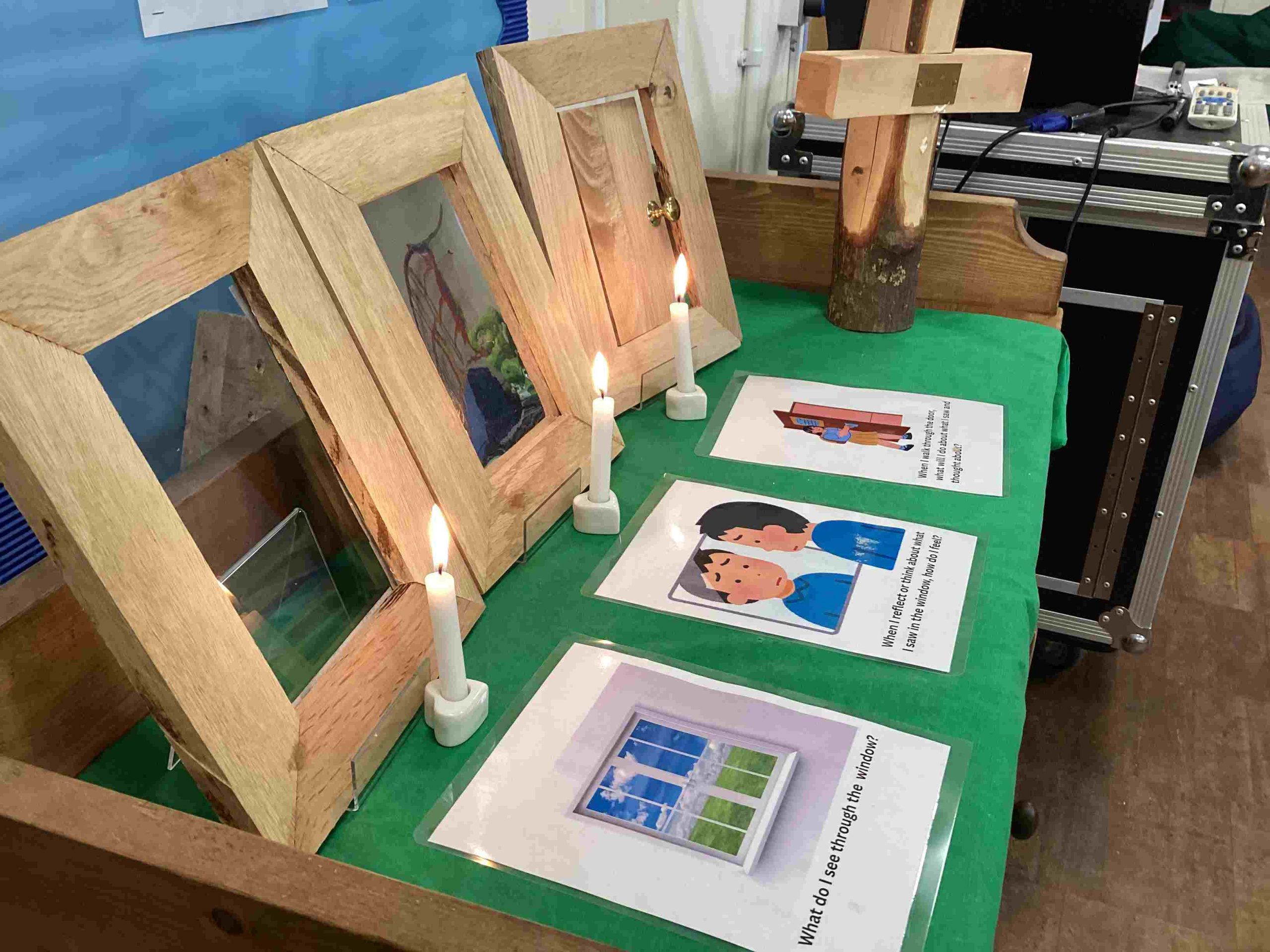

Windows are for looking out onto the world and becoming aware of its wonders. They encourage us to consider the world beyond the classroom, inspiring wonder and openness to something greater than ourselves.

Mirrors are for looking into and reflecting, alone and together, to see things more clearly, for thinking and asking important questions learning from our own and each other’s responses. Mirrors encourage pupils to pause, reflect and develop self-awareness, supporting personal growth and understanding of identity. We allow time for this for individual and group reflection and sharing of perspectives.
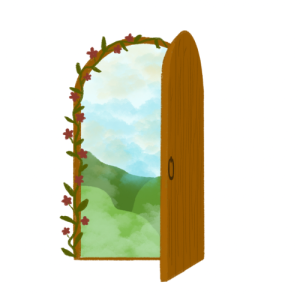
Doors are for looking through in order to then act or express this in some way in response; for moving on, making choices, and doing something creative, active and purposeful in response. This can simply be done through a change in attitude or behaviour or thinking. It can also be expressed powerfully through music or art or drama or dance and through some form of social action or specific acts of giving.