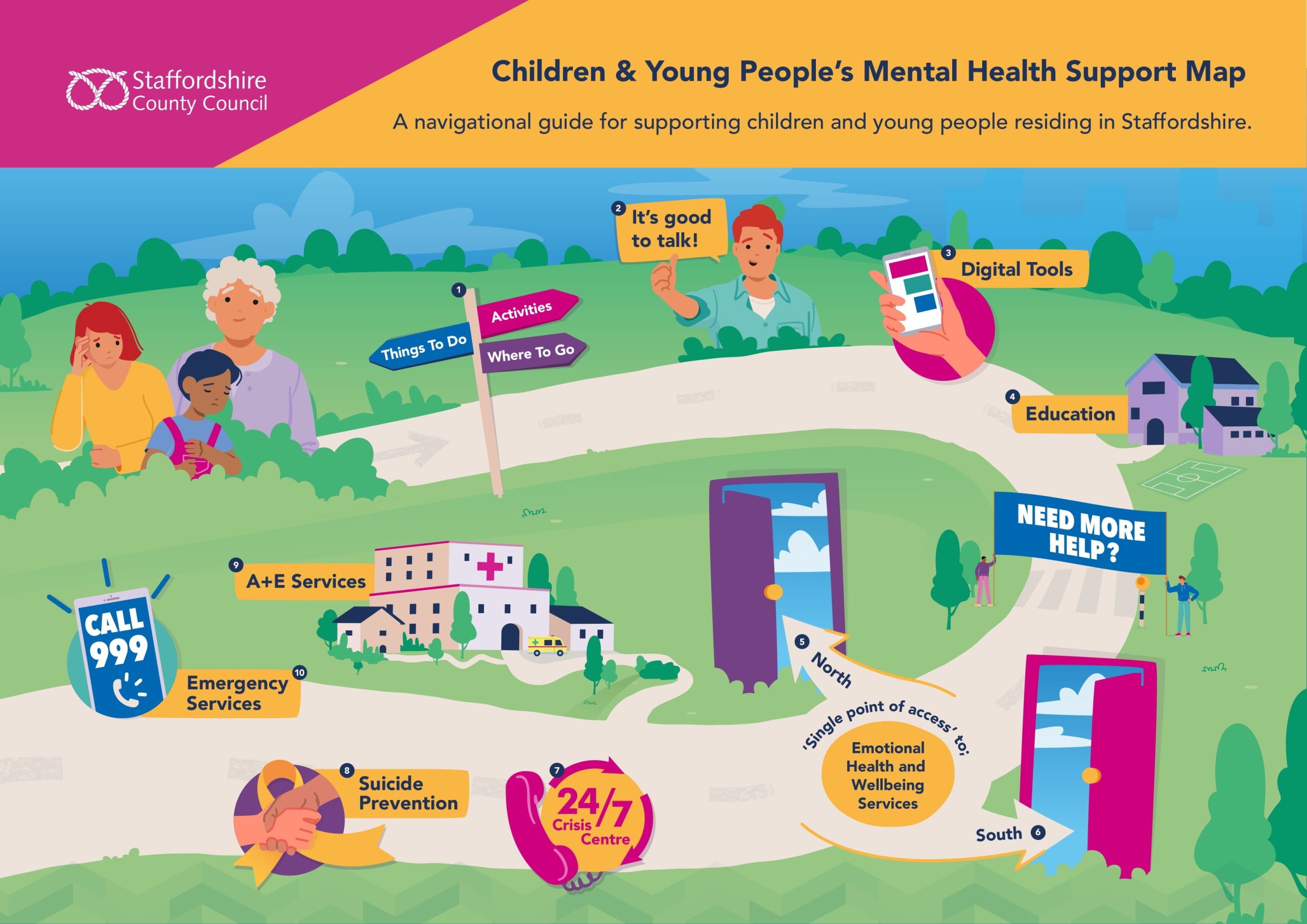
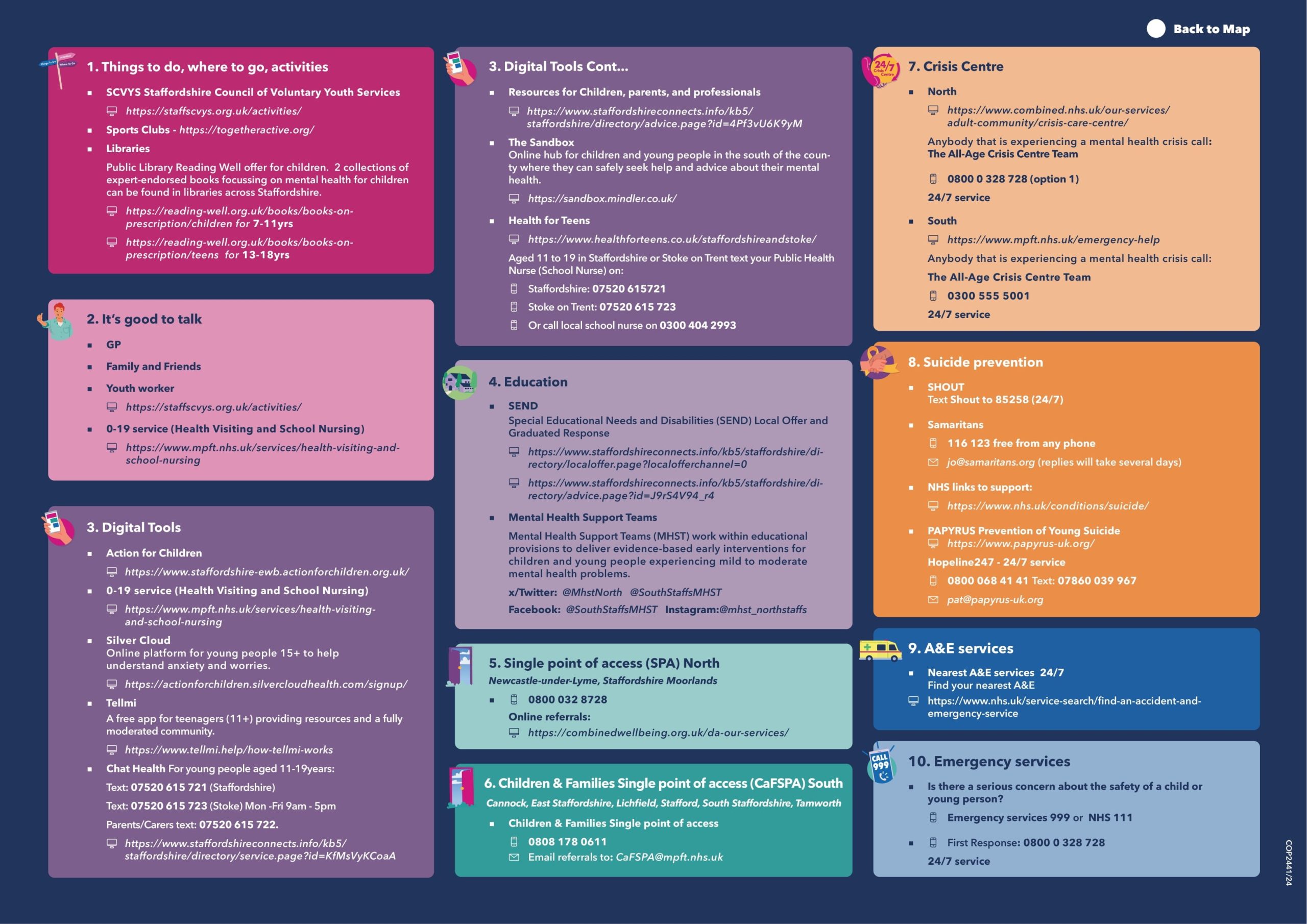
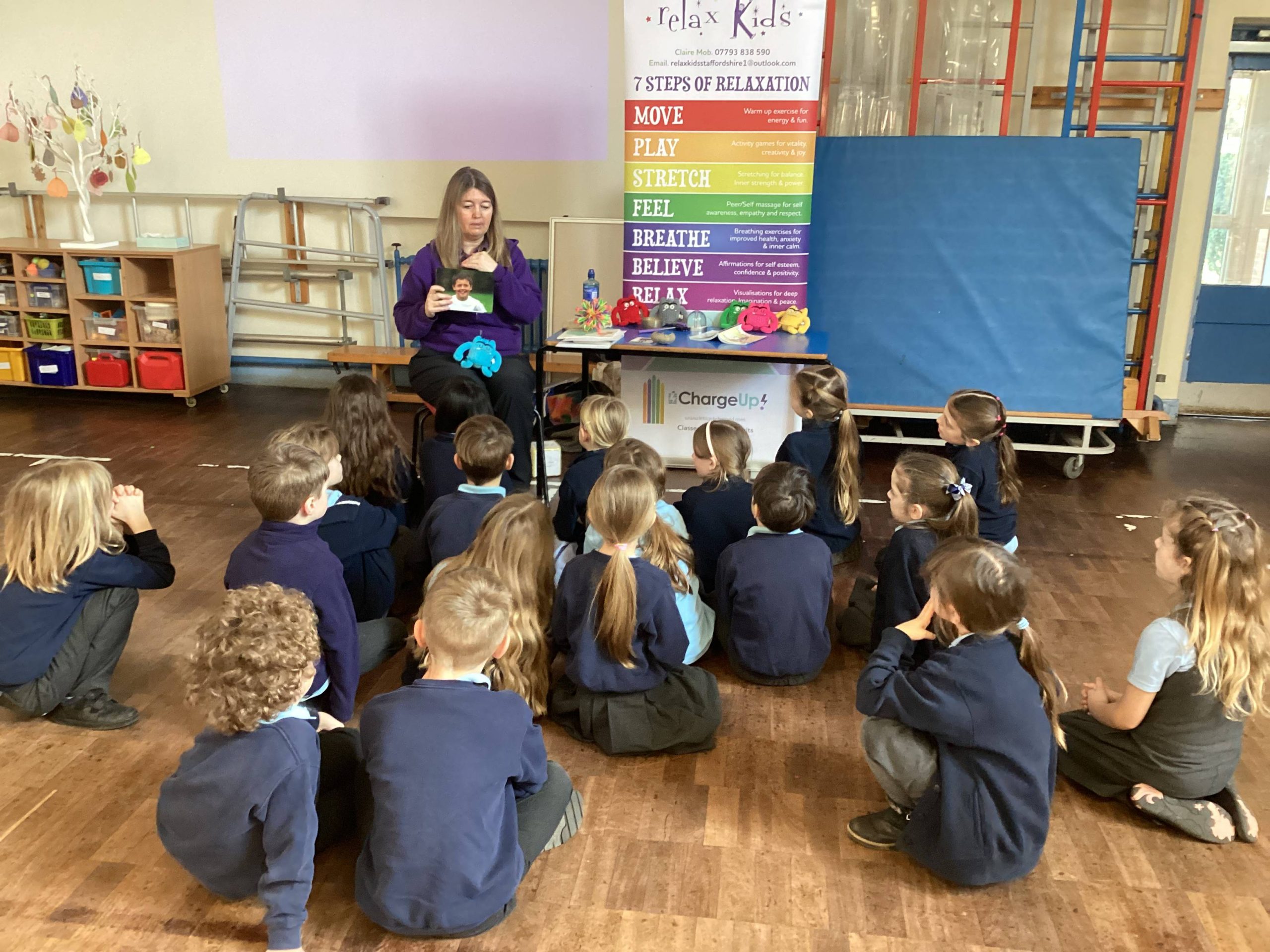
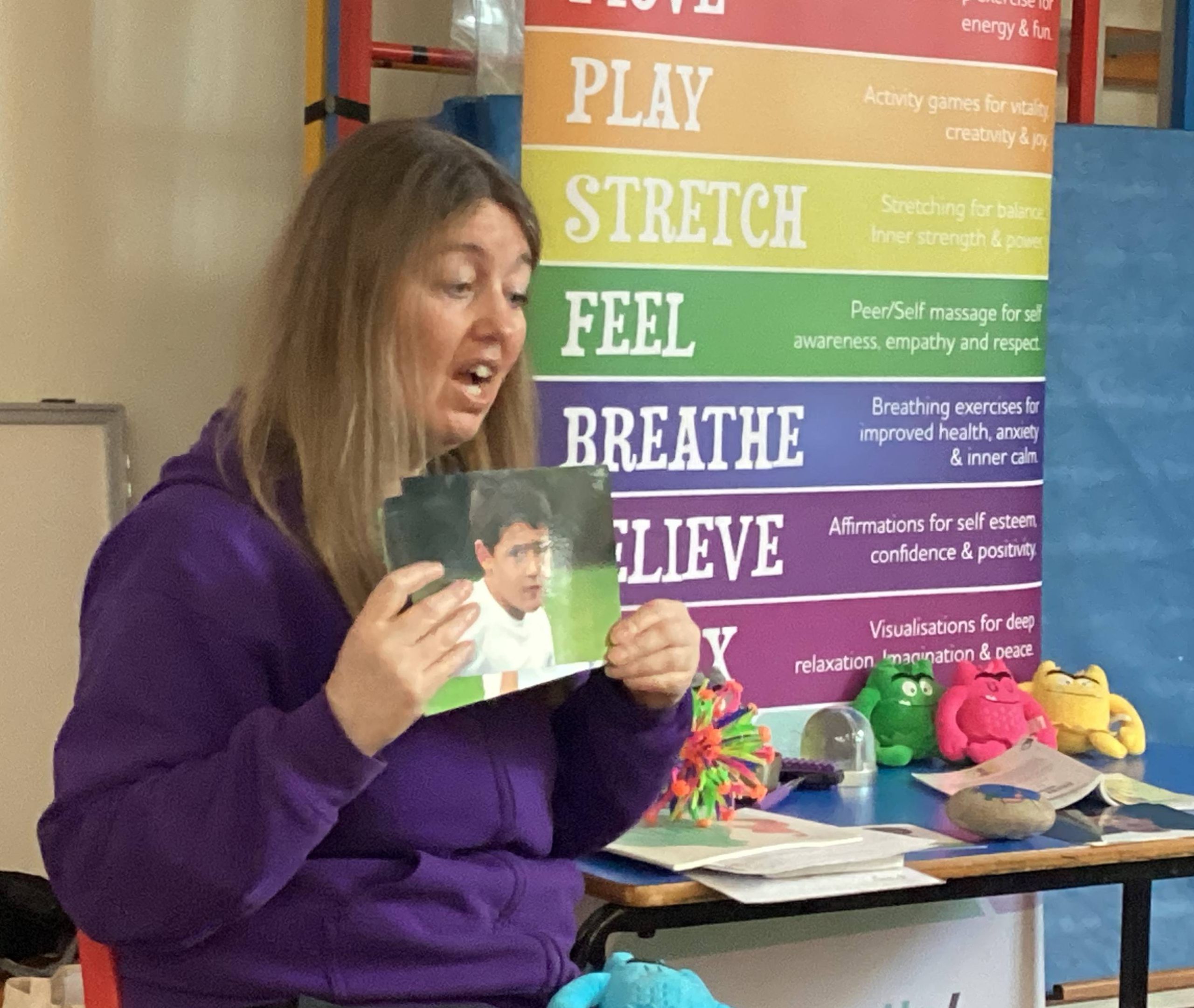
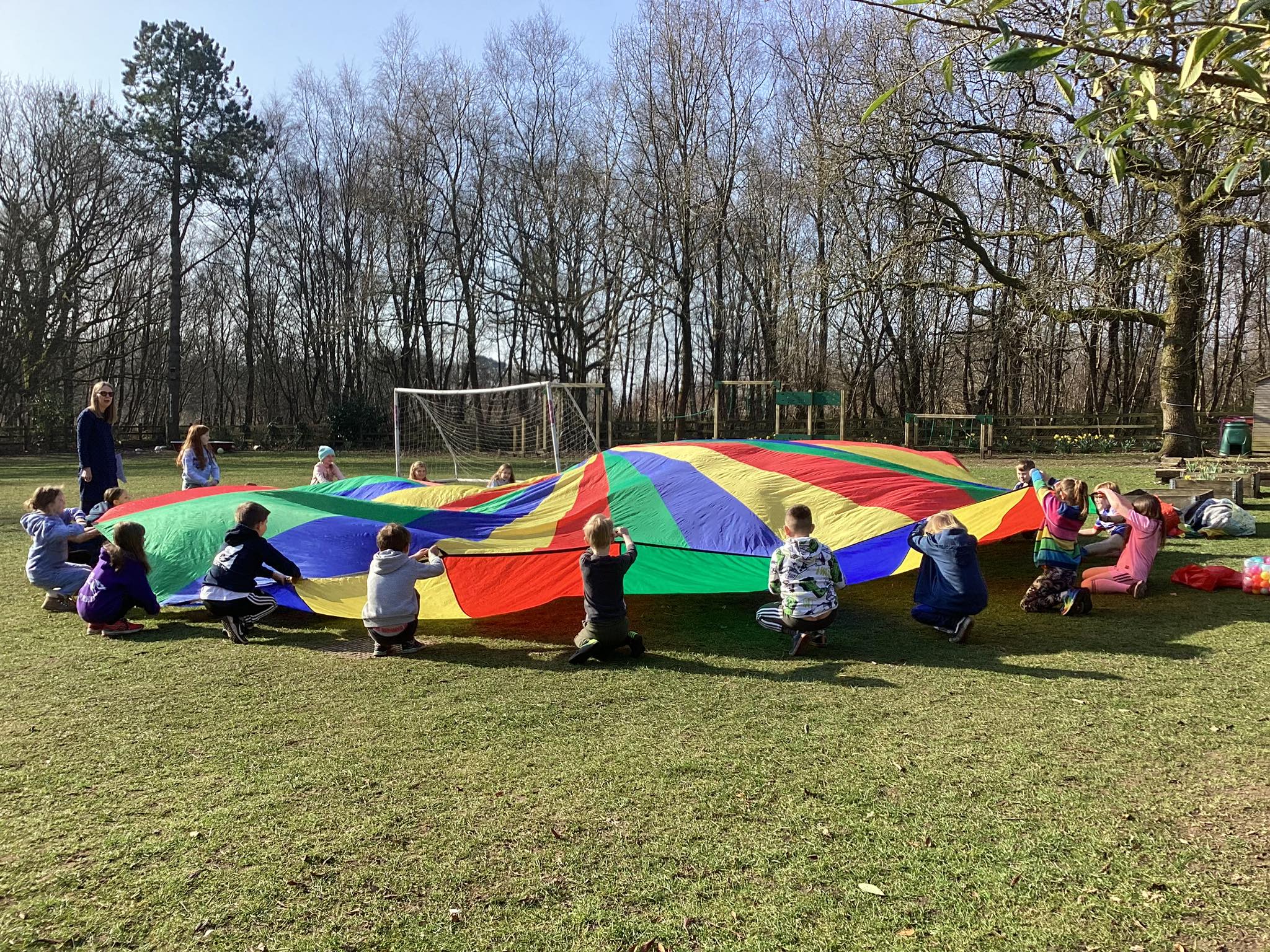
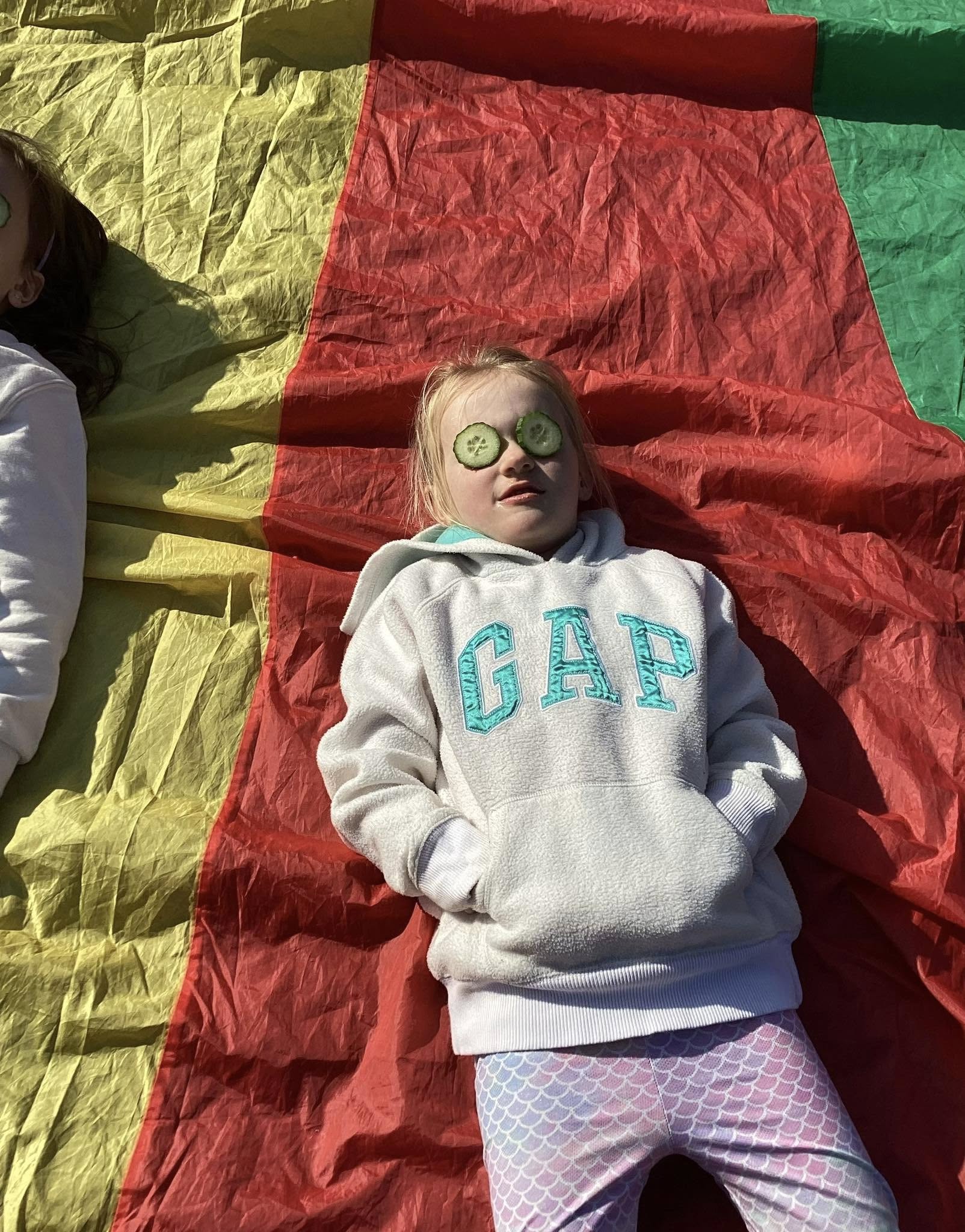
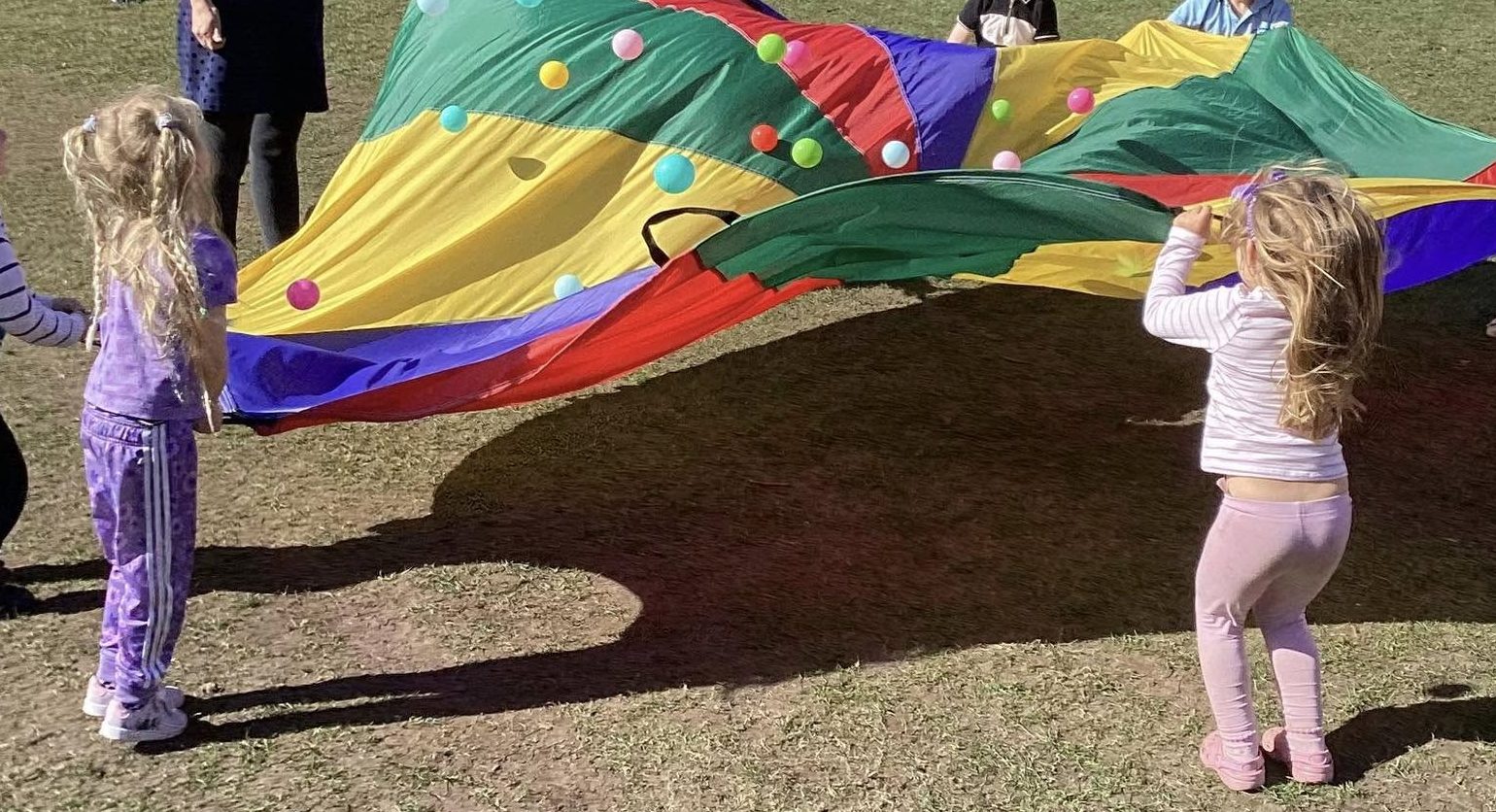
We believe that happy, healthy students learn best. This section is here to support students, parents/carers and staff, with resources, contacts and practical tips for wellbeing.

At Horton St Michael’s CE Academy, we are committed to supporting the emotional health and wellbeing of our pupils, their families and our staff. We know that everyone experiences life challenges that can make us vulnerable and at times, anyone may need additional emotional support. We take the view that positive mental health is everybody’s business and that we all have a role to play.

At our school we aim to:

  • Help children to understand their emotions and feelings better.
  • Help children feel comfortable sharing any concerns or worries.
  • Help children socially to form and maintain relationships.
  • Promote self-esteem and ensure children know that they count.
  • Encourage children to be confident and ‘dare to be different’.
  • Help children to be persistent even when faced with challenges.
  • Help children to develop emotional resilience and to manage setbacks.
  • Help children to develop a Growth Mindset.

Recommended books that support emotional literacy:

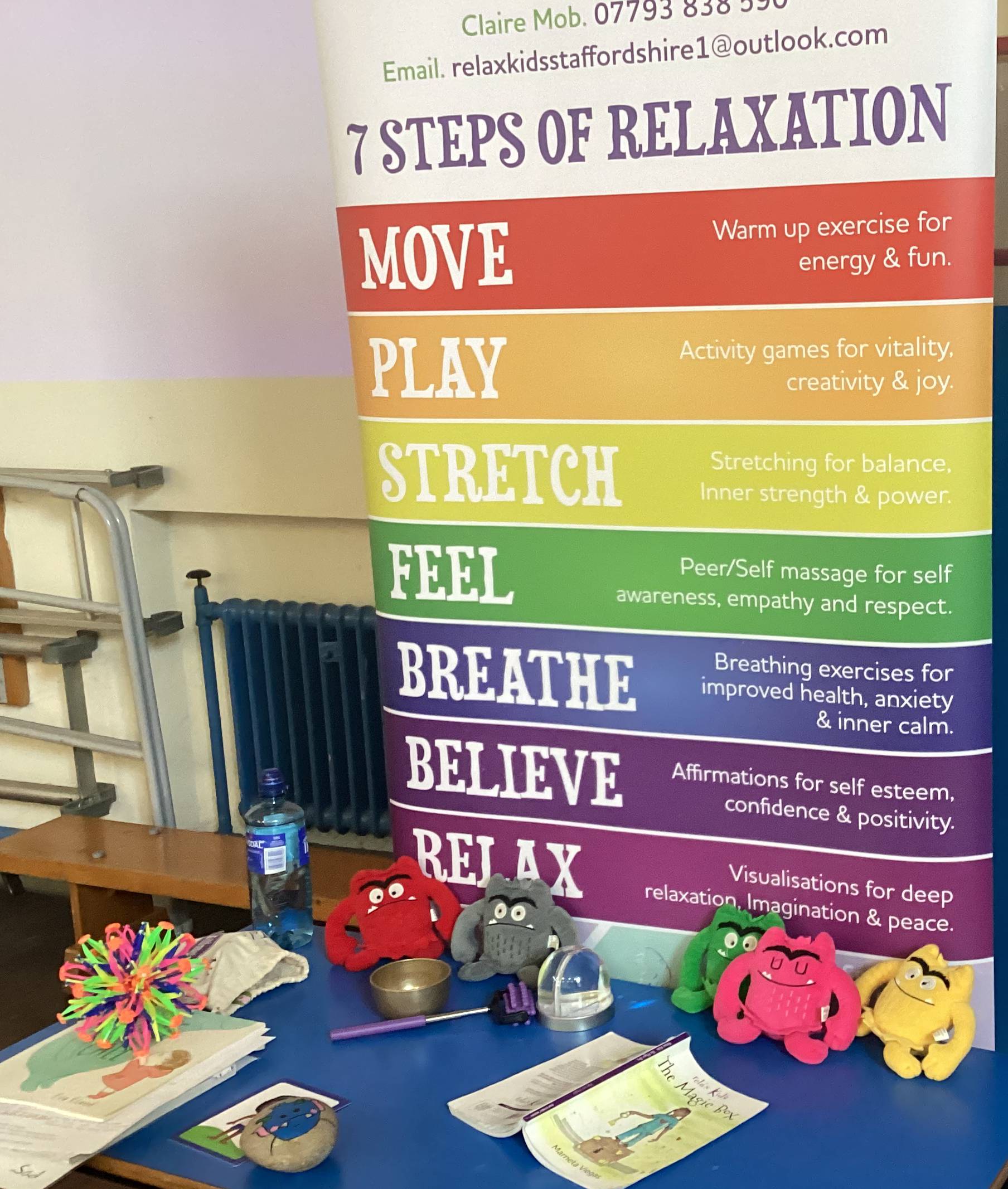
1. “The Colour Monster” by Anna Llenas – A beautifully illustrated story about a monster learning to sort out feelings by colour.

2. “Ruby Finds a Worry” by Tom Percival – Ruby discovers a worry that grows until she learns talking about it helps.

3. “Have You Filled a Bucket Today?” by Carol McCloud – Teaches children that kindness to others also fills their own “emotional bucket.”

Simple tips to stay calm:

Everyone feels worried or stressed sometimes — especially when tests or assessments are coming up. This
page is here to help you understand your feelings, learn ways to stay calm, and find tips to help you do your
best.

Simple tips to stay calm:

Breathing exercises, stretching, listening to music, or taking short breaks.

Easy study tips

Short study times, using pictures or colours, making flashcards, and practising
little and often.

Positive messages

Reminders like “Do your best, that’s enough” and “One test doesn’t define you.”

Healthy habits

Sleep, drinking water, eating well, and moving their body.

Fun interactive ideas

Checklists, calming games, quizzes, or a “stress scale” with faces.

When to ask for help

Encourage talking to a teacher, parent, carer, or friend if they feel overwhelmed.
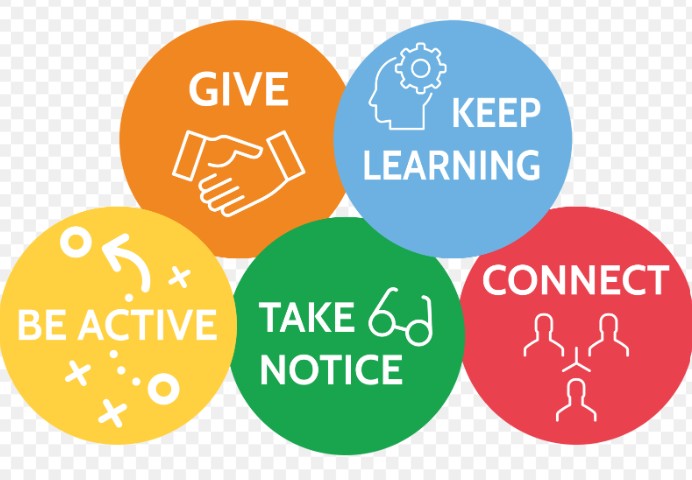
Five ways to wellbeing:

The 5 Ways to Wellbeing help children feel happy and
healthy. They are Connect, which means spending time with
friends and family; Be Active, by running, playing, or moving
your body; Take Notice, by looking around and enjoying what
you see and feel; Keep Learning, by trying new things and
asking questions; and Give, by being kind and helping others.
Doing these things every day helps everyone feel good inside
and enjoy life.

https://www.bbc.co.uk/teach/articles/z4vhrmn#zwkbjfr

Friendships:

Making and keeping friends can sometimes feel easy — and sometimes challenging. This page will help you understand friendships, share your feelings, and learn ways to build positive
relationships.

MHST

At Horton we are lucky to have access to Emily – our Mental Health Support Team Worker.

Mental Health Support Team – North Staffordshire Combined Healthcare NHS Trust

Hi! My name is Emily and I am apart of the Mental Health Support Team working within Horton St Michaels First School.

 My job is to support the school’s whole school approach to Mental Health and Wellbeing as well as work with pupils who may need support with such things as anxiety, low mood, sleep or problem solving. I can work with children on a 1:1 basis, in groups or even a whole class. Working with a child’s difficulties 1:1 would mean doing sessions with their parent or carer as evidence tells us that this most effective way to support difficulties for children under 11. I’m also here to help their parents feel confident in supporting their child’s mental health.

Emily is currently running ‘Drawing and Talking’ groups within school.

Drawing and Talking is a creativity-based intervention that can help children feel better when they are sad, worried or confused. Sometimes it’s hard for children to say how they feel with words. Drawing can help them show their feelings and talking about their pictures with other children along with a trained practitioner, can help them understand and feel better about what’s inside while showing them that other children feel the same way too.

If you have any questions for Emily or would like to arrange to meet with her please get in touch with the school office.